
Warming cabinets
We assess the cause and recommend a practical route to restore dependable performance.
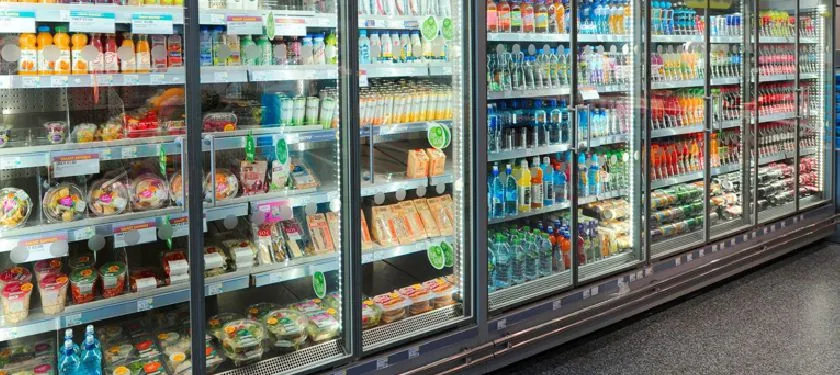
We keep commercial refrigeration equipment working for retailers, restaurants, food businesses and storage facilities. Book repairs, maintenance or a new installation with our team.
Tell us what needs attention. We’ll send your request to our service inbox and confirm it by email. For urgent assistance, call 070 332 5672.
Prefer to speak to us? Call 070 332 5672
We support Gauteng businesses with repairs, installations and servicing for commercial refrigerated equipment.
Our assessment considers equipment condition, controls, airflow and refrigeration capacity. We recommend work that fits the site rather than applying one fix to every cabinet or system.
We assess the cause and recommend a practical route to restore dependable performance.
We assess the cause and recommend a practical route to restore dependable performance.
We assess the cause and recommend a practical route to restore dependable performance.
We assess the cause and recommend a practical route to restore dependable performance.
We start by understanding the symptoms and how the equipment is used. We check the relevant components, explain what needs attention and discuss the repair before proceeding. If installation or replacement is the more sensible option, we explain why.
We aim to leave you with an operating system you understand and a clear view of any maintenance that may help avoid repeat faults.
Explore local refrigeration service information across major commercial, industrial and residential areas.
When a upright fridges and chilled counters problem is reported in Gauteng, we begin by separating the symptom from its possible causes. For hospitality kitchens, peak meal-service loads can change the apparent cooling performance considerably. A report that alarms follow busy trading periods is useful, but it does not by itself identify a failed component. We review ambient conditions, cabinet loading and controller thresholds and ask what happened immediately before the problem developed. This avoids turning the first visible symptom into an unsupported parts recommendation. For this type of fault, noting alarm codes together with operating circumstances helps establish whether there is a genuine cooling shortfall or a misleading reading. We look for patterns: does the issue occur after deliveries, during hot ambient conditions, only on one cabinet, or after a defrost cycle? Different patterns point towards different tests. We then explain which checks require a qualified refrigeration technician and which operating details the customer can safely supply.
When a walk-in storage units problem is reported in Gauteng, we begin by separating the symptom from its possible causes. For warehousing operators, frequent deliveries and stock movement can change the apparent cooling performance considerably. A report that temperature rises despite the motor running is useful, but it does not by itself identify a failed component. We review airflow restrictions, defrost operation and heat-rejection conditions and ask what happened immediately before the problem developed. This avoids turning the first visible symptom into an unsupported parts recommendation. Commercial operators in Gauteng should ask how completion will be verified. Following an intervention, a brief cold reading is not enough to show stable operation under real load. Where appropriate, we review control response, condenser and evaporator performance, drainage and the trend of cabinet temperatures. We also explain what the site team should observe over the next operating cycle and when to request further attention.
When a upright fridges and chilled counters problem is reported in Gauteng, we begin by separating the symptom from its possible causes. For hospitality kitchens, peak meal-service loads can change the apparent cooling performance considerably. A report that a cabinet is warm at the front and cold at the back is useful, but it does not by itself identify a failed component. We review door seals, shelf loading, return-air pathways and circulation fans and ask what happened immediately before the problem developed. This avoids turning the first visible symptom into an unsupported parts recommendation. Commercial operators in Gauteng should ask how completion will be verified. Following an intervention, a brief cold reading is not enough to show stable operation under real load. Where appropriate, we review control response, condenser and evaporator performance, drainage and the trend of cabinet temperatures. We also explain what the site team should observe over the next operating cycle and when to request further attention.
When a upright fridges and chilled counters problem is reported in Gauteng, we begin by separating the symptom from its possible causes. For hospitality kitchens, peak meal-service loads can change the apparent cooling performance considerably. A report that alarms follow busy trading periods is useful, but it does not by itself identify a failed component. We review ambient conditions, cabinet loading and controller thresholds and ask what happened immediately before the problem developed. This avoids turning the first visible symptom into an unsupported parts recommendation. The condition of upright fridges and chilled counters needs to be understood alongside the premises. Restricted ventilation or door gaskets and shelving airflow may be a practical contributor, but neither should be blamed without evidence. Before replacing costly compressors, fans or controls, we consider whether the observed temperatures match the system design and the current operating load. A service quotation should describe the proposed work, any further diagnostic requirements, and what remains uncertain.
Good service decisions depend on how the commercial refrigeration equipment is actually operated. A system protecting chilled stock during busy deliveries faces a different practical demand from a lightly loaded cabinet tested with its door closed. In Gauteng, our enquiry process therefore asks for the equipment type, operating schedule, any displayed alarm, and the site access arrangements. This information makes the technician discussion more productive; it should not replace an on-site diagnosis. For this type of fault, observing ice location and whether fans stop during defrost helps establish whether there is a genuine cooling shortfall or a misleading reading. We look for patterns: does the issue occur after deliveries, during hot ambient conditions, only on one cabinet, or after a defrost cycle? Different patterns point towards different tests. We then explain which checks require a qualified refrigeration technician and which operating details the customer can safely supply.
We work with display refrigerators, bottle coolers, prep counters and commercial freezers for restaurants, retailers, bars, commercial kitchens and food-service operations. If you are dealing with cabinets warming up, compressor trips, blocked condensers, erratic controllers or failed fans, contact our team and explain what is happening. We'll discuss a practical way forward based on the equipment, the site and the fault.
We begin with what the equipment is doing now: temperature readings, start and stop behaviour, alarms, airflow and any recent changes. We examine the components linked to those symptoms so the proposed repair addresses the cause.
We discuss the findings and the work required, including whether servicing, part replacement or a wider repair is appropriate. When components need sourcing or the equipment needs further testing, we explain those steps before moving ahead.
Following agreed work, we check the relevant operation and controls. Cooling recovery can take time, particularly when stock, doors and room conditions affect the load, so we explain what to monitor after our visit.
We handle enquiries for display cabinets, undercounter fridges, drink coolers, prep units and commercial freezers. Send the equipment type and symptoms.
Tell us your operating hours and access limitations. We can discuss a suitable attendance arrangement and the steps needed to protect stock.
Tell us your equipment, the problem and your location. We'll help you arrange the next step.
Tell us about your equipment and the problem you're experiencing.